

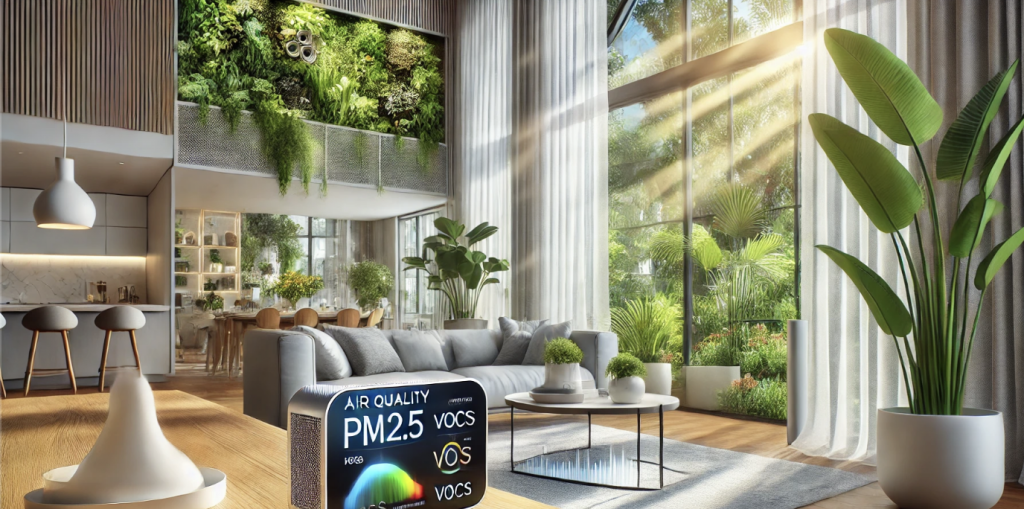
In recent years, growing attention has been given to the health and safety of our living spaces, especially when it comes to indoor air quality. While the outside world’s air pollution often makes headlines, what many homeowners don’t realize is that the air inside modern homes can actually be more polluted than the air outside. Consulting knowledgeable indoor air quality specialists can help pinpoint the causes and solutions for this often unseen threat to your wellbeing.
The Hidden Dangers of Home Air Pollution
Modern construction practices focus on energy efficiency, leading to homes that are tightly sealed and highly insulated. While this helps lower energy bills and keeps interiors comfortable, it also means that fresh air from the outside doesn’t flow in as easily. Unfortunately, these same energy-saving features cause contaminants like dust mites, pet dander, pollen, mold spores, and even VOCs (volatile organic compounds) from cleaning products or building materials to become trapped indoors. This creates a perfect environment for home air pollution, and the results can be more severe than many people imagine.
Why Indoor Air is Often Worse Than Outdoor Air
The Environmental Protection Agency (EPA) suggests that in some cases, the air inside a home can be up to five times more polluted than the air outside. That’s largely because outdoor pollutants can still find their way indoors, but instead of escaping, they accumulate over time. Everyday activities like cooking, using personal care sprays, or burning candles introduce additional pollutants. In a tightly sealed house, these contaminants don’t have an easy escape route. The end result is that families may unknowingly breathe in a range of pollutants, day and night.
Health Impacts of Poor Indoor Air Quality
Exposure to indoor air pollution has a serious impact on health, especially for children, seniors, and those with allergies or pre-existing respiratory problems. Immediate effects can include headaches, dizziness, eye and throat irritation, and fatigue. Long-term exposure can aggravate conditions such as asthma and allergies, and in some cases even contribute to chronic respiratory diseases or heart problems. Poor indoor air quality can also trigger more frequent illness or disrupt sleep, which reduces overall comfort and quality of life.
Benefits of Clean Indoor Air for Families
Investing in clean indoor air isn’t just about avoiding disease, it’s also about enhancing everyday living. Improved air quality leads to greater comfort—fewer odors, less dust on surfaces, and a more pleasant atmosphere. Family members can sleep better, concentrate more easily, and experience fewer allergy symptoms or asthma attacks. Children, in particular, benefit from breathing cleaner air, as their developing lungs are more vulnerable to airborne pollutants.
How Air Filtration Systems Make a Difference
Fortunately, homeowners need not feel helpless in the face of poor air quality. Professional air filtration systems are specifically engineered to capture and neutralize a wide range of contaminants. These systems can be installed directly into existing HVAC units, or used as standalone air purifiers in certain rooms. High-efficiency particulate air (HEPA) filters, activated carbon filters, and UV germicidal lamps are among the technologies available to address airborne pollutants.
Air filtration and purification work hand-in-hand with regular HVAC maintenance to ensure optimal results. Not only do these systems trap visible particulates like dust and pet hair, but they also target microscopic bacteria, viruses, and chemical irritants that could otherwise flow freely through your home. By consistently maintaining clean indoor air, you also help extend the life of your HVAC system, since clogged filters and dusty vents force your heating and cooling equipment to work harder.
Why Professional Solutions Are Worth the Investment
While there are consumer products on the market, the most effective way to ensure you have truly clean indoor air is to consult with specialists who understand the unique layout and airflow of your home. Indoor air quality specialists will conduct thorough assessments, recommend targeted filtration and purification systems, and provide advice on moisture control and ventilation improvements. Their expertise allows you to make informed decisions and invest in systems that deliver long-term benefits.
Taking proactive steps to address home air pollution enhances comfort, health, and peace of mind for every member of the household. With the rising focus on spending more time indoors, now is the time to prioritize indoor air quality and discover the powerful benefits of a cleaner, fresher home environment.
