

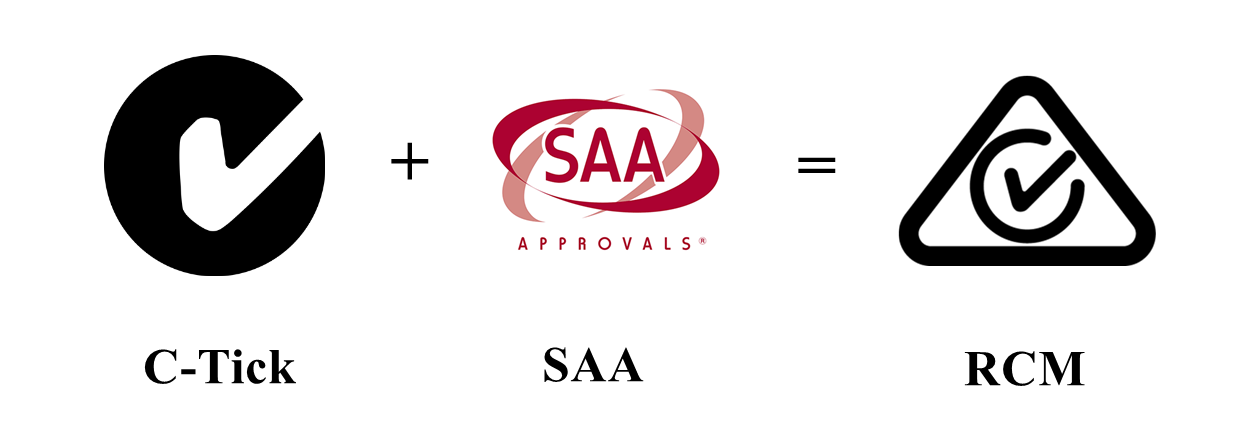
In a world increasingly dominated by electronic products, ensuring the safety and reliability of these devices is paramount. The Electrical Equipment Safety System (EESS) and Standards Australia Accreditation (SAA) are two crucial elements in the certification and compliance landscape in Australia. Understanding their requirements, how they interrelate, and what manufacturers must do to remain compliant can help businesses navigate these regulatory waters effectively.
The EESS is a framework introduced to enhance the safety of electrical equipment sold within Australia and New Zealand. This system categorizes electrical products into different levels based on their potential risk and dictates the corresponding compliance requirements for each category. At the heart of EESS is the principle that higher-risk products must meet stricter criteria and undergo more rigorous scrutiny than their lower-risk counterparts.
EESS levels are divided into three main categories: Level 1, Level 2, and Level 3. Level 1 products are considered low-risk and generally include items such as power cords and simple household appliances. These products necessitate the least stringent compliance requirements, typically entailing a Supplier Declaration of Conformity (SDoC) which asserts that the product meets the relevant safety standards.
Level 2 products, which pose a medium risk, encompass items like hairdryers and toasters. Manufacturers of Level 2 products are required to provide a Certificate of Compliance from a recognized certification body, along with test reports demonstrating adherence to the applicable standards. The certification process for Level 2 items is more involved, requiring a higher level of documentation and evidence compared to Level 1 products.
Finally, Level 3 products represent high-risk items that could potentially cause significant harm if they malfunction. Examples of such products include heaters and washing machines. These high-risk products demand the highest level of certification, including a Certificate of Suitability issued by an accredited certification body like the SAA. For a Level 3 product to be compliant, it must undergo thorough testing and scrutiny, ensuring it adheres to the stringent safety standards set forth by the regulatory bodies.
SAA certification, specifically, is a critical component of ensuring compliance with the EESS, especially for Level 3 products. The Standards Australia Accreditation (SAA) is not a direct regulatory body but plays a vital role in certifying that products meet the necessary safety and performance standards. SAA certification serves as an assurance that high-risk products have been independently assessed and verified to comply with Australian safety requirements.
The relationship between EESS and SAA is synergistic. While EESS sets the framework and identifies the risk levels of different products, SAA provides the necessary certification to demonstrate compliance for those higher-risk items. Manufacturers, therefore, must navigate both systems in tandem to ensure their products are legally fit for market release.
To remain compliant, manufacturers must follow a meticulous process. Initially, they must determine the correct classification level of their product under EESS. This involves understanding the risk associated with the product and identifying the specific regulatory requirements for that classification level. For Level 1 products, obtaining a Supplier Declaration of Conformity may suffice. For Level 2 and Level 3 products, more detailed documentation, including test reports and certificates from accredited bodies, is necessary.
Manufacturers must also stay informed about any updates or changes to the standards and regulations, as non-compliance can lead to product recalls, fines, and damage to brand reputation. Regular audits and continuous product testing play a crucial role in maintaining compliance. Engaging with accredited certification bodies like SAA to conduct these assessments can provide manufacturers with the assurance that their products meet the highest safety standards.
Moreover, proper documentation and record-keeping are essential. Manufacturers should maintain comprehensive records of all test reports, certificates, and declarations to demonstrate compliance at any given time. This level of preparedness is crucial not only for initial market entry but also for ongoing market surveillance and audits by regulatory authorities.
In conclusion, understanding and adhering to EESS registration and SAA requirements are essential for manufacturers aiming to market their electrical products in Australia and New Zealand. By breaking down the EESS levels and fulfilling SAA obligations, manufacturers can ensure their products not only meet legal standards but also uphold the safety and trust of consumers. Remaining vigilant, organized, and proactive in compliance efforts will enable manufacturers to navigate the regulatory landscape successfully and sustainably.
