

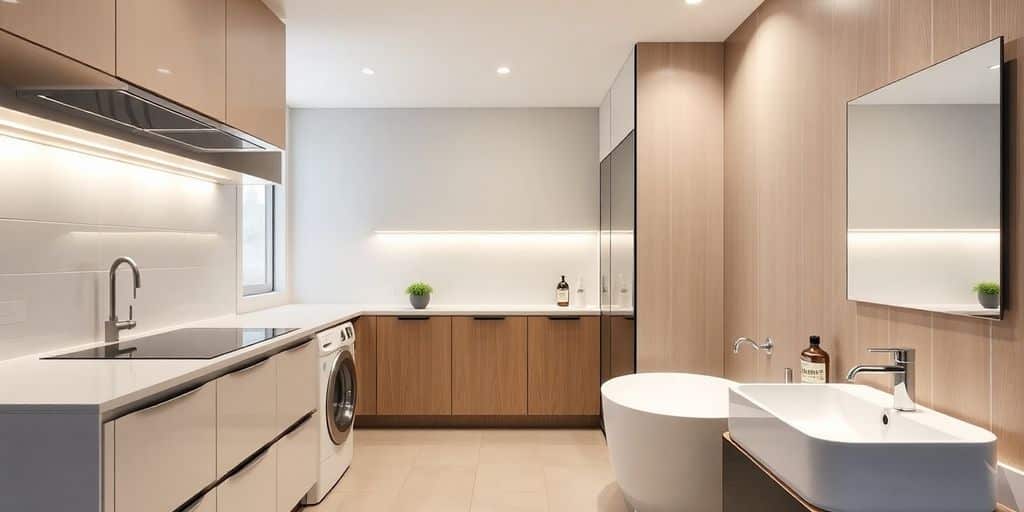
When homeowners consider remodeling projects, kitchens and bathrooms consistently rank at the top of the priority list for good reason. These spaces are used more frequently than almost any other room in the house, influencing both the daily comfort of the occupants and the overall functionality of the property. Understanding the long-term benefits of strategic upgrades can help homeowners make informed decisions that pay off both financially and personally over many years.
The success of a major home project often depends on the level of craftsmanship and the design philosophy of the team behind the work. For those beginning their journey, it is wise to learn more about our renovation expertise to understand how professional standards and quality materials contribute to a project’s lasting durability. By focusing on excellence from the start, you ensure that your home improvement value remains high even decades after the work is completed.
The Financial Impact of Kitchen Upgrades
From a purely financial perspective, kitchen renovation benefits are well-documented by real estate experts across the country. Updated kitchens often deliver one of the highest returns on investment in residential real estate because they are considered the heart of the home. Modern cabinetry, durable countertops, and high-quality finishes not only enhance daily usability but also make homes significantly more attractive to future buyers.
Even modest upgrades can yield impressive results. Improving storage solutions with soft-close drawers or updating old lighting to modern, energy-efficient fixtures can dramatically increase home resale value. Buyers today are looking for move-in-ready spaces where they won’t have to worry about immediate repairs or aesthetic overhauls. A kitchen that combines modern aesthetics with high-grade materials signals to a buyer that the entire home has been well-maintained.
Maximizing Return with Bathroom Remodels
While the kitchen is the heart of the home, the bathroom is the private sanctuary. Bathroom remodel ROI is similarly strong, often rivaling or even exceeding kitchen returns in certain markets. Prospective buyers and current homeowners alike appreciate updated bathrooms that offer comfort, efficiency, and a clean, spa-like design.
Replacing outdated fixtures, upgrading to double vanities, and installing durable, water-resistant flooring can transform a cramped or aging space into a relaxing retreat. In competitive housing markets, a master suite with a renovated bathroom can be the deciding factor that closes a sale. Beyond the aesthetics, upgrading the plumbing and ventilation during a remodel prevents future water damage, further protecting the home’s long-term equity.
Lifestyle Benefits and Functional Longevity
Beyond the obvious resale considerations, renovations drastically improve the quality of daily living. A thoughtfully designed kitchen supports better organization, smoother meal preparation, and more enjoyable social gatherings. Modern layouts that prioritize the work triangle—the distance between the stove, sink, and refrigerator—can reduce frustration and make the home more accessible for family members of all ages.
In the bathroom, improvements like walk-in showers, better lighting for grooming, and increased storage for toiletries contribute to a more organized morning routine. Over time, these improvements reduce maintenance issues and extend the lifespan of key structural components. When a space is designed correctly with high-quality materials, it doesn’t just look better; it works better for everyone living in the home.
The Role of Material Quality in Long-Term Value
Quality plays a crucial role in maximizing the impact of any home improvement. Investing in well-constructed cabinetry, reliable professional installation, and durable finishes prevents the need for costly repairs or premature replacements. While budget-friendly, low-grade options may seem appealing during the initial quote phase, inferior materials often warp, chip, or fail within a few years, ultimately diminishing the long-term returns.
Homeowners who prioritize craftsmanship and material integrity typically experience greater satisfaction and fewer disruptions. For example, solid wood or high-grade plywood cabinets with heavy-duty hardware will withstand the thousands of opens and closes that occur in a busy household. Similarly, choosing non-porous countertop materials like quartz ensures the surface remains sanitary and stain-free for the life of the home.
Strategic Renovation Investment Tips
When planning a renovation investment, homeowners should begin with clear goals. Defining whether the project is primarily for resale, improved functionality, or aesthetic enhancement helps guide decisions around materials and scope. Consulting with experienced designers can further refine plans and identify potential plumbing or structural challenges before construction begins, saving both time and money.
It is also wise to evaluate how your planned renovations align with neighborhood standards. Over-improving significantly beyond the value of comparable homes in your area may limit your financial return, while under-investing in key areas like the kitchen can leave potential value untapped. A balanced approach that focuses on timeless design and high-quality basics usually yields the strongest outcomes.
Conclusion
Ultimately, kitchen and bathroom renovations are far more than simple cosmetic upgrades. They are strategic improvements that influence the comfort, efficiency, and marketability of a property. By prioritizing quality materials, expert craftsmanship, and thoughtful customization, homeowners can ensure their investment delivers meaningful returns for years to come. Whether you are preparing to sell in the near future or planning to stay in your home for decades, approaching renovations as value-driven improvements transforms the process into a powerful way to build home equity.
